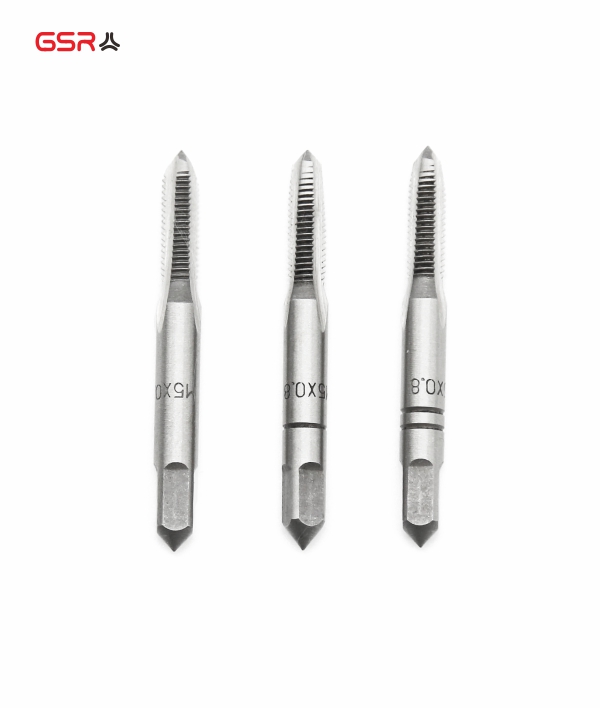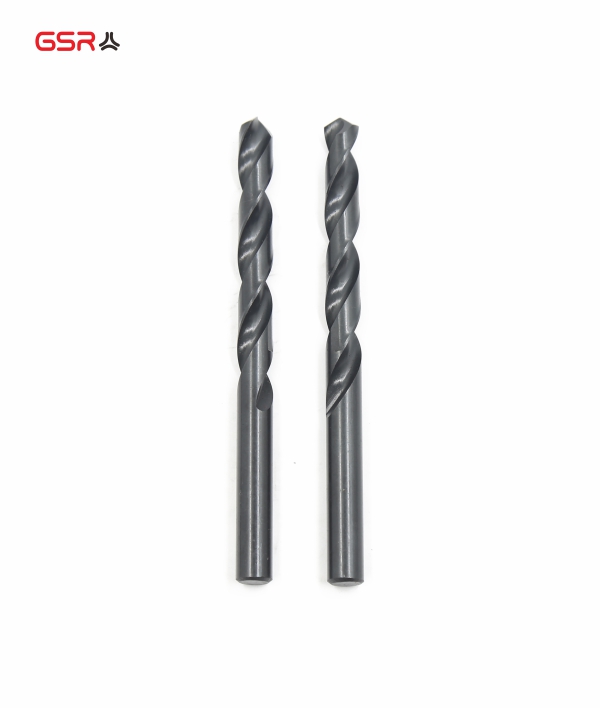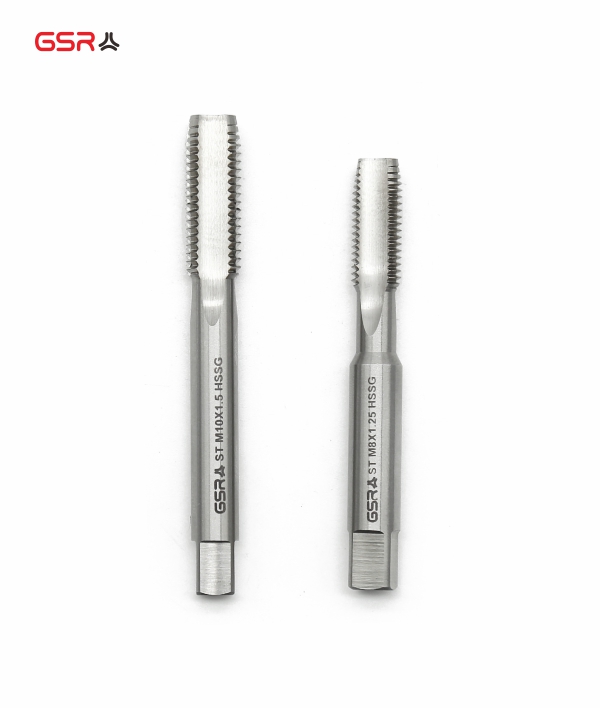





what tool is used to make internal threads?
In the rapidly evolving world of manufacturing, internal threading tools have emerged as a pivotal advancement, addressing significant pain points faced by engineers and fabricators. These specialized tools are engineered to create internal threads with precision and efficiency, making them invaluable in various industries, including aerospace, automotive, and construction. By utilizing internal threading tools, manufacturing processes can achieve not only enhanced quality but also a measurable reduction in production time, helping companies stay competitive. For instance, shifting to automated threading solutions can reduce time spent on manual machining by up to 40%. This article explores the significance of internal threading tools, their applications, and their benefits, ensuring that manufacturers are well-equipped to make informed decisions.
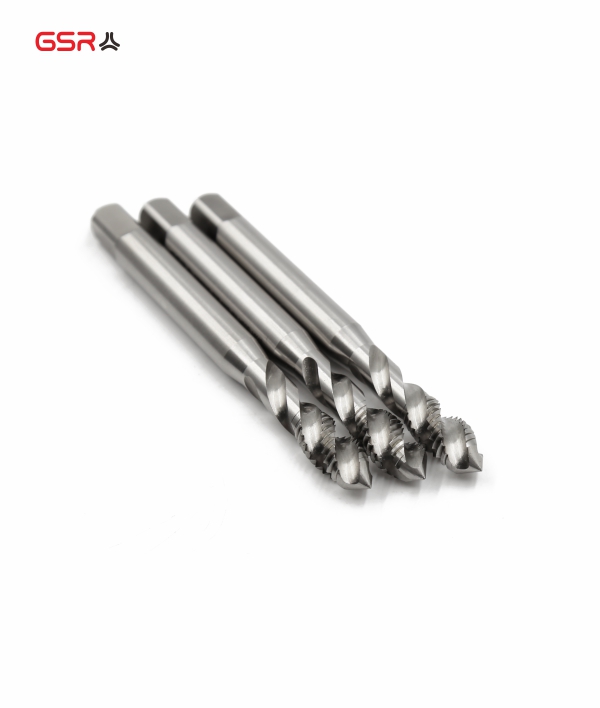
Definition of Internal Threading Tools
Internal threading tools, often referred to as taps or thread mills, are instruments used for creating internal threads in various materials. In technical terms, taps are cutting tools with specific thread patterns, while thread mills can produce threads by rotating and moving the tool along the desired path. According to the American National Standards Institute (ANSI), taps come in three primary types: standard taps, spiral-fluted taps, and plug taps, each serving distinct purposes based on the thread depth and material density.
Industry Term Analysis
Tap: A tool used to cut internal threads.
Thread Mill: A milling cutter utilized for making internal and external threads.
Fluting: The grooves in a tap designed to facilitate chip removal during the threading process.
Application Scenarios for Internal Threading Tools
Internal threading tools are utilized across various fields:
Aerospace: Manufacturing components where lightweight, high-strength materials are critical.
Automotive: Creating threaded holes for assembling parts securely, which is vital for passenger safety.
Construction: Producing fixtures and fasteners that require robust internal threads to withstand heavy loads.
Their versatility and precision make these tools indispensable in any quality-controlled environment.
Brief Description of Advantages
The significance of internal threading tools cannot be overstated. Their advantages include:
Precision: Measured accuracy in thread dimensions can reach tolerance levels of ±0.005 mm, crucial for applications requiring tight fittings.
Time Efficiency: Automated tapping systems can create internal threads in under 30 seconds per hole, drastically accelerating output.
Improved Strength: Using specialized threading tools can enhance the tensile strength of joints by up to 50%, reducing the likelihood of failure during operational stress.
In an industry where every second counts, the adoption of internal threading tools substantially boosts productivity and quality.
Next Step Guidance
For those interested in implementing internal threading tools into their operations, start by reading the user manual specific to the tools you choose. Understanding the proper application, maintenance, and operational techniques ensures maximization of their benefits. Consider exploring options from trusted brands like GSR, which offer comprehensive solutions in this domain.
FAQ
1.What materials can be processed with internal threading tools?
Internal threading tools can work with a variety of materials, including metals (such as aluminum and steel), plastics, and composites.
2.How can I ensure the longevity of my internal threading tools?
Regular maintenance, including cleaning and proper storage, as well as following manufacturer guidelines, can significantly extend the lifespan of your tools.
3.Are there automated options for internal threading?
Yes, many manufacturers produce advanced automated systems that can integrate internal threading tools into production lines, enhancing efficiency and reducing labor costs.
In conclusion, internal threading tools represent a vital evolution in manufacturing technology. Their contribution to precision, efficiency, and durability makes them essential for modern industrial applications. For a hands-on understanding, consider experimenting with internal threading tools from reputable brands like GSR and watch your manufacturing capabilities transform.
By following these guidelines, your approach to internal threading tools will not only enhance your operational efficiency but also foster a culture of quality and precision in your manufacturing endeavors.