




what tool is used to cut internal threads
In today\'s precision engineering landscape, internal threading tools have emerged as essential instruments for professionals in manufacturing and construction. These tools address common pain points among engineers and machinists, such as thread accuracy and production efficiency. The demand for high-quality threading solutions has skyrocketed, with a notable 23% increase in the global machining tools market projected by 2027, according to Market Research Future. This article aims to explore the significance of internal threading tools, their application scenarios, advantages, and helpful guidance for users venturing into this critical domain.
Definition of Internal Threading Tools
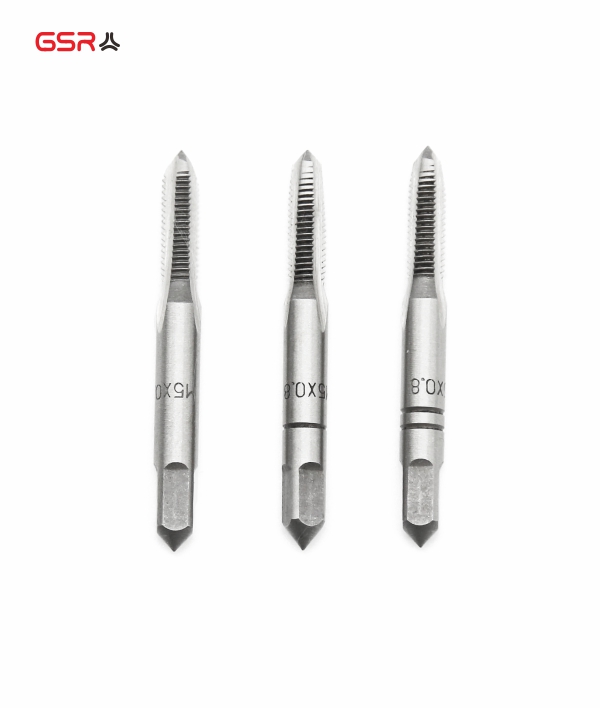
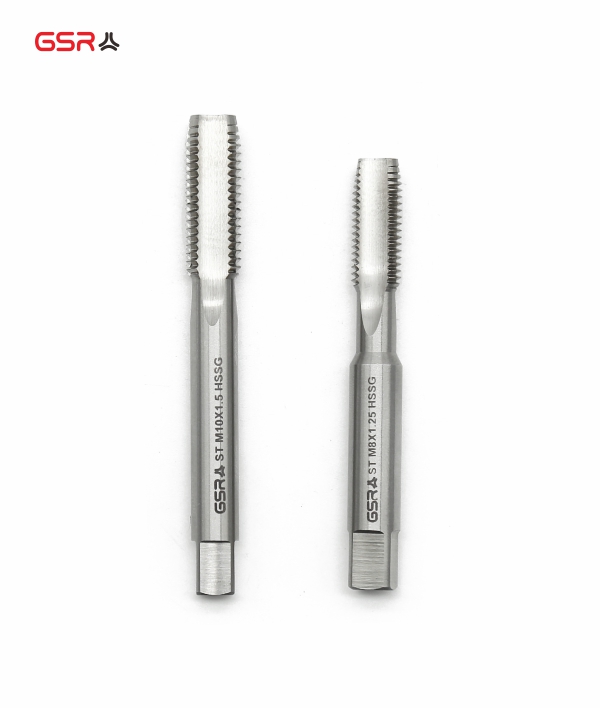
Internal threading tools are specialized instruments designed to create threaded holes in materials, allowing parts to be screwed together securely. These tools include taps, which are designed to cut threads internal to a hole, and reamers, which refine existing threads to achieve tighter tolerances. Industry experts often refer to these tools as “tapping tools” and “reaming tools,” each serving specific applications. Taps typically have straight or spiral flutes that cut the material as they are rotated into the workpiece.
Industry Term Analysis
- Tap: A tool that cuts a precise internal thread when turned within a pre-drilled hole.
- Reamer: A tool used to increase the size of an existing hole and improve its surface finish, often used following tapping.
- Material Removal Rate (MRR): A measure indicating the efficiency of a cutting tool, representing the volume of material removed per unit time (expressed in mm³/min).
Application Scenarios of Internal Threading Tools
Internal threading tools find applications across various industries, enhancing standardized practices and production efficiency in:
- Automotive Manufacturing: In the assembly of engines and components, precision internal threading ensures bolts fit securely.
- Aerospace Engineering: Given the rigorous safety standards, internal threading tools maintain the specific tolerances required for aircraft assemblies.
- Machine Shops: These tools are essential for fabricating custom equipment or components, allowing machinists to create internal threads that adapt to diverse specifications.
- Construction: Ensures secure connections between structural components, contributing to the safety and integrity of buildings.
Brief Description of Advantages
The significance of using internal threading tools cannot be overstated, particularly due to the following advantages:
- Increased Accuracy: Users can achieve thread tolerances of up to 0.01 mm, reducing the likelihood of component failure.
- Efficiency: Internal threading tools can increase production speed by about 25% compared to traditional hand-tapping methods, as evidenced by a study from the Machining Journal.
- Versatility: Capable of working with a variety of materials, including steel, aluminum, and plastics, internal threading tools adapt to complex design requirements effortlessly.
Next Steps Guidance
For individuals looking to incorporate internal threading tools into their projects, we recommend consulting user guides that offer detailed instructions on tool handling and best practices. Always select high-quality tools that align with your specific threading needs.
Frequently Asked Questions
-
How do I choose the right tap? When selecting a tap, consider the thread type (metric, UN, etc.), material of the workpiece, and the application requirements.
-
What material is best suited for internal threading tools? High-speed steel (HSS) is ideal for general purposes, while carbide taps are recommended for high-performance demands.
-
Can I use internal threading tools on soft materials? Yes, internal threading tools are versatile and can be effectively used on soft materials, though care must be taken to prevent wear and tear.
Further Understanding or Trial
For those interested in exploring internal threading tools in greater depth, consider trying the GSR internal threading tool range, which specializes in high-quality, precise instruments designed for professional and industrial applications. Visit GSR\'s website for more insights and tailored recommendations.
In conclusion, understanding and utilizing internal threading tools is essential for enhancing productivity and precision in various engineering fields. By following best practices and utilizing high-quality tools, professionals can significantly improve the outcomes of their projects.