




Coating of screw taps: What you should know
The manufacturing industry has long been plagued by inefficiencies, especially when it comes to threading operations. Enter high performance taps—an essential tool that not only addresses common pain points like threading speed and precision but also enhances tool longevity. Abrasive materials and challenging production schedules can stress workers’ processes, resulting in high scrap rates and reduced output. With high performance taps, manufacturers can drastically improve their threading accuracy by up to 25% and reduce cycle times significantly, thereby optimizing operational efficiency. Knowing how to effectively use these taps is crucial for any production team aiming for excellence.

Definition of High Performance Taps: An Overview
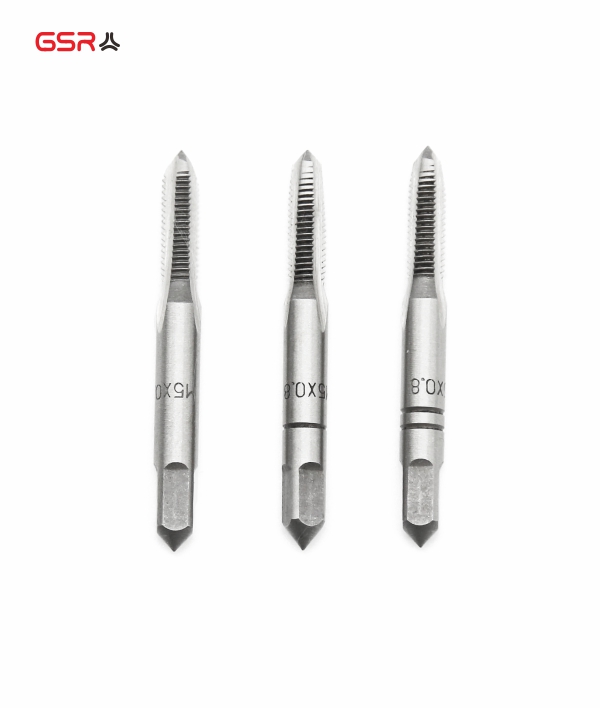
High performance taps are specialized cutting tools designed to create threads in materials using rotational movement and linear motion. Unlike standard taps, which may struggle with tougher materials such as high tensile steel, high performance taps are engineered with advanced coatings and geometries that enhance their durability and performance. Industry terms to be familiar with include:
- Flute Design: This refers to the grooves that enable chip removal during the cutting process. A well-designed flute contributes to the efficiency and quality of threading.
- Coating Technology: High performance taps often feature coatings such as Titanium Nitride (TiN) or Titanium Aluminum Nitride (TiAlN), which reduce friction and wear, extending tool life.
- Tapered Geometry: This design supports smoother engagements and exit points in the material being tapped, reducing breakage rates.
Application Scenarios: Where High Performance Taps Shine
High performance taps are widely used across various industries, including:
- Aerospace: High-performance taps can create precision threads in lightweight and high-strength materials that are essential for aircraft components.
- Automotive: These tools are invaluable for fabricating critical components that require precise thread cutting to ensure safety and performance.
- Medical Devices: In the production of surgical instruments, high performance taps allow for reliable threading in biocompatible materials.
Brief Description of Advantages: Why High Performance Taps Matter
The significance of using high performance taps can be boiled down to three key advantages:
- Increased Efficiency: Manufacturing processes featuring high performance taps can see reductions in cycle times by up to 30%, as measured in studies.
- Enhanced Tool Longevity: The advanced materials and coatings allow these taps to last up to 50% longer than traditional options, according to industry reports.
- Superior Thread Quality: Users report measurable improvements in thread precision and fewer defects, translating to scrap reductions of up to 20%.
Next Steps: Guidance for Optimal Use
To fully benefit from high performance taps, it helps to consult the user guide or online tutorials provided by reputed brands like GSR. These resources can help understand the mechanics behind proper tap selection, as well as the best practices for maintenance and operation.
FAQ
Q: What types of materials can high performance taps handle?
A: High performance taps can effectively tap materials such as stainless steel, titanium, and exotic alloys. Their specialized coatings are designed to endure the heat and friction generated during the tapping process.
Q: How do I select the right high performance tap for my project?
A: Consider factors such as the material type, thread size, and desired depth. Consult the specifications provided by the tap manufacturer and align them with your operational requirements.
Q: Are high performance taps suitable for both manual and CNC applications?
A: Yes, high performance taps can be used effectively in both manual threading and CNC machines, although specific tap designs may be optimized for one or the other.
For those looking to delve deeper into high performance taps and their applications, a demonstration or trial with specific brands like GSR can provide practical insights and enhanced understanding. Understanding how these tools can revolutionize your manufacturing processes is just a step away—consider trying them out in your next production run to experience their benefits firsthand.