




The Complete Guide to Thread Cutting Tools: Types, Applications, and Selection Tips
Every day, industries ranging from automotive to aeronautics encounter the challenge of creating high-quality threads that require specific tools to resolve issues like thread wear, incorrect tolerances, and inefficient manufacturing processes. This guide will offer in-depth insights into the various types of thread cutting tools, their applications, and expert tips on selecting the right tool for your unique needs. Throughout, you'll discover key terms such as thread pitch, cutting material, and tool geometry that will enhance your understanding of this essential field.
Basic Knowledge of Thread Cutting Tools
Before diving into the types and applications of thread cutting tools, it’s important to grasp some foundational terminology and principles in the field:
Thread Pitch: This is the distance between threads, usually measured in millimeters or threads per inch (TPI), and is critical for ensuring proper fit.
Cutting Material: The material that comprises the cutting tool, such as high-speed steel (HSS) or carbide. HSS remains tough and durable even after long usage, while carbide can cut alloys due to its hardness rating of 1600 HV.
Tool Geometry: This refers to the angles and shape of cutting tools, which can influence their performance, including rake angle and relief angle, directly affecting chip flow and machining efficiency.
Types of Thread Cutting Tools
This section will categorize and analyze different thread cutting tools, identifying their unique features, applications, and advantages.
1. Taps
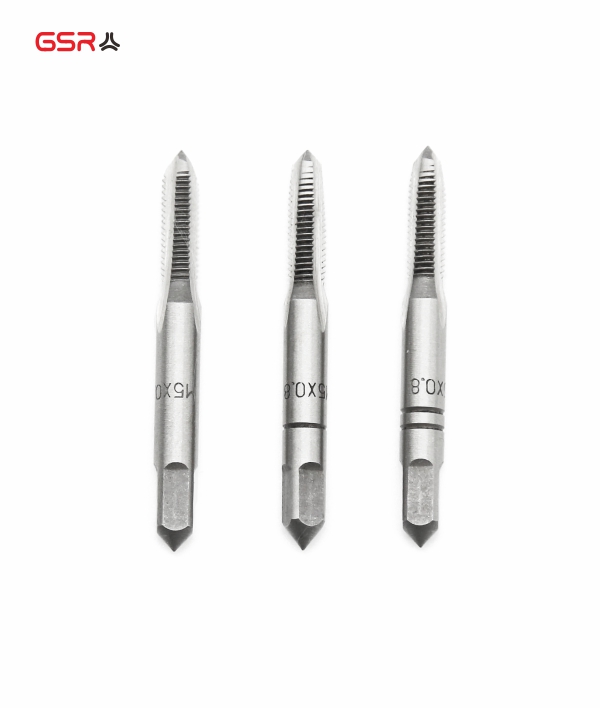
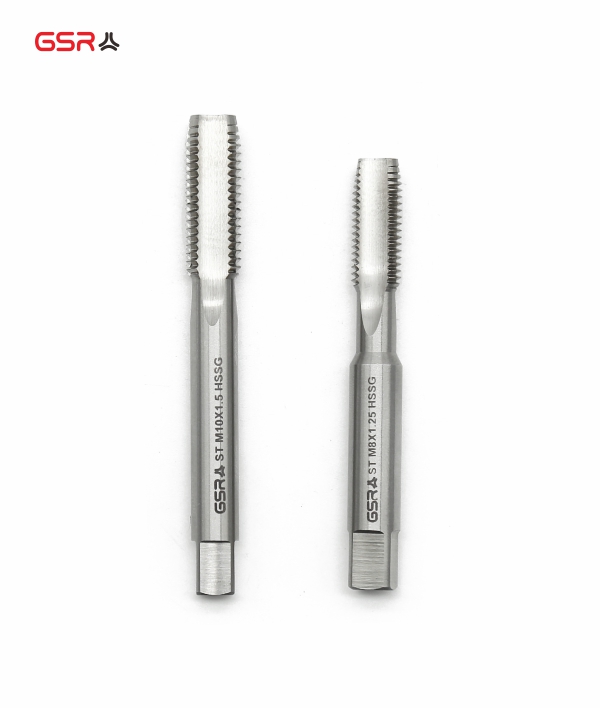
Taps are used for internal thread cutting, creating threads inside pre-drilled holes. They can be classified into various types such as:
Hand Taps: Ideal for manual operations and generally have three flutes for better chip removal.
Machine Taps: Designed for use with machines, these taps can have up to six flutes which allow for faster threading with higher precision.
2. Dies
Dies are used for creating external threads on rods or bolts. Similar to taps, they come in different forms:
Adjustable Dies: These can be customized for various diameters and pitches.
Round Dies: Best used with equipment such as die holders, they offer a wide range of threading options.
3. Thread Mills
Thread mills utilize a rotating end mill to cut threads. They are beneficial for high-precision threading operations:
Solid Thread Mills: Made from a single solid piece, they offer durability and versatility.
Insert Thread Mills: These allow for quick insert changes, enabling operators to adjust geometries without replacing the entire tool.
4. Reamers
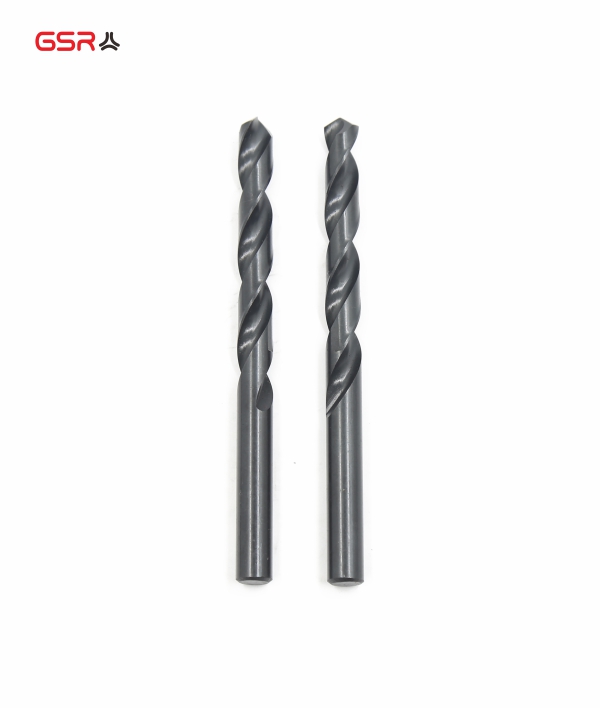
Although primarily used for enlarging existing holes, specialized reamers can also create threads. They offer high-performance threading capabilities, especially for softer metals.
Applications of Thread Cutting Tools
Understanding the practical applications of thread cutting tools is essential for selecting the right tool for your project:
Machinery Fabrication: Thread cutting tools enable the production of components that require specific thread specifications for assembly.
Automotive Engineering: Application in manufacturing parts like valves, where precision threads are critical to ensure proper sealing.
Aerospace Manufacturing: The need for lightweight, high-strength components makes precise threading vital in this field.
In-Depth Guide to Selecting the Right Thread Cutting Tool
Choosing the appropriate thread cutting tool involves several considerations:
Identify Material Type: Determine the material you will be working with. For tougher materials, a carbide tool is advantageous.
Determine Thread Specifications: Identify the thread pitch and diameter needed for your project, ensuring it matches your chosen tool type.
Assess Manufacturing Method: Select whether you will use manual or machine methods to guide your choice between taps, dies, or mills.
Evaluate Production Volume: For high-volume production settings, consider durable tools capable of containing wear and tear over time.
Budget Considerations: Factor in cost versus value, noting that investing in higher-quality tools from brands like GSR can result in lower long-term costs due to less frequent replacements.
Seek Expert Guidance: If in doubt, partnering with suppliers such as GSR can provide professional advice tailored to your specific needs.
Frequently Asked Questions (FAQ)
Q1: What's the best material for thread cutting tools?
A1: High-speed steel (HSS) is favored for its balance of durability and performance across various materials, while carbide tools excel in extreme hardness and longevity.
Q2: How do I maintain thread cutting tools to prolong their lifespan?
A2: Regular cleaning, proper storage, and the occasional sharpening can greatly extend the life of your thread cutting tools.
Q3: Are there limitations to using thread mills?
A3: While versatile, thread mills may not perform as efficiently on softer materials compared to taps and dies specifically designed for those applications.
Advanced Skills and Extended Reading
For more advanced users, consider delving into precise calculations for thread compatibility. Resources such as the Machinist Handbook can offer essential formulae and standards for optimizing threading operations. Additionally, understanding cutting fluid applications can improve tool life—research indicates that applying the right coolant can extend tool lifespan by up to 50%.
Conclusion
In summary, selecting and using the correct thread cutting tools can significantly enhance efficiency and quality in various manufacturing processes. For reliable tools that you can trust, GSR provides an extensive range of thread cutting solutions tailored to meet your specific applications. Whether you require a machine tap, a die, or a thread mill, GSR's helpful staff and extensive product line can solve your threading challenges. Contact GSR today to find the perfect tools that suit your needs!