




Cutting Taps VS Forming Taps
A tap (also known as a screw tap) is a tool used to create internal threads (i.e., threaded holes). It is typically made of high-hardness steel or carbide material. The front end of the tap features cutting edges and a guide section to ensure the precise formation of threads in the workpiece.
Based on the forming method, taps can be categorized into forming taps (extrusion taps) and cutting taps. These two types of tools differ primarily in their forming principles, applicable ranges, and processing characteristics.
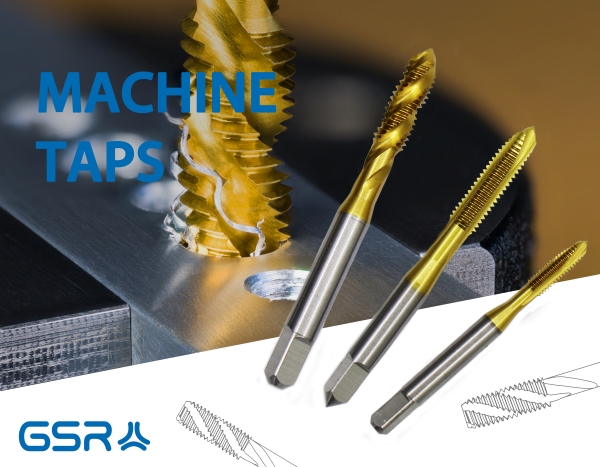
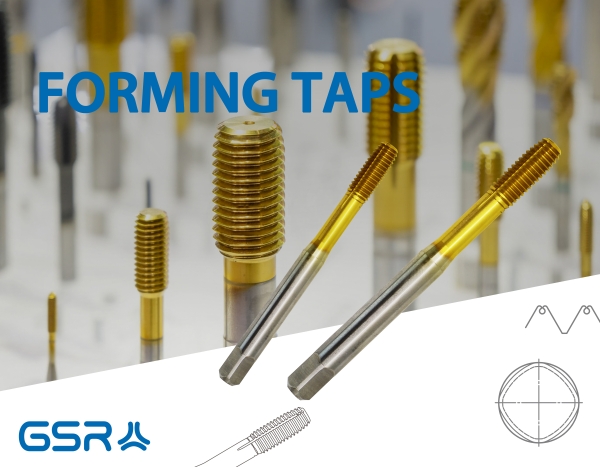
The above images clearly show the differences in tool shape, thread hole profile, and microstructure between forming taps and cutting taps. The appropriate tap and forming method should be selected based on material type, assembly function, and thread specifications.
Below is a detailed explanation of the forming principles and differences between the two thread-forming methods:
I. Cutting Taps
1. Forming Principle: Threads are created by removing material, generating metal chips. Therefore, cutting taps require chip flutes to prevent clogging and breakage during processing.
2. Applicable Materials: Suitable for a wide range of materials, including high-hardness metals such as hardened steel and stainless steel. For example, threaded holes in magnesium alloy die castings are typically formed using cutting taps.
3. Application Scope:
Can be used on a broader range of materials, including harder metals, to produce high-quality threads.
Cutting taps have deeper chip flutes, resulting in lower tool strength.
For aluminum alloy die castings, small threaded holes (below M12) are generally not processed with cutting taps, while larger holes (M12 and above) often use them.
II. Forming Taps
1. Forming Principle: Threads are created by plastically deforming the material without chip removal, meaning no metal chips are generated.
2. Applicable Materials: Best suited for softer, ductile materials such as aluminum, copper, and low-carbon steel.
※ Not suitable for brittle materials, as they may crack during forming, leading to thread defects.
3. Processing Characteristics:
Chip-free machining: Since no chips are produced, the process is cleaner and reduces cleanup time and cost. Ideal for blind holes. Small threaded holes (below M10) are typically formed using forming taps because metal chips are difficult to remove.
Increased material strength: The cold-working effect during forming enhances surface hardness, improving the strength of the threaded section.
III. Key Differences Between Forming and Cutting Taps
1. Surface Finish: Forming taps produce threads with excellent surface smoothness, often eliminating the need for post-processing.
2. Thread Pitch Diameter Accuracy: Formed threads have smoother surfaces and more stable pitch diameters.
3. Longer Tool Life: Forming taps experience less wear than cutting taps, resulting in longer service life and higher efficiency. They are more suitable for high-speed machining.
4. Reduced Breakage Risk: Forming taps do not require deep chip flutes, so their core diameter is larger, and they are less prone to breakage. However, higher torque is required due to material deformation.
IV. Usage Considerations
1. Higher Torque Requirement: Forming taps require 2–3 times more torque than cutting taps, demanding higher machine power, workpiece clamping stability, and tool holder strength.
2. Material Limitations: Only suitable for ductile materials (e.g., aluminum, copper, brass, and low-carbon steel). Brittle materials should use cutting taps.
3. Strict Pre-hole Tolerance: The pre-hole diameter for forming taps must be tightly controlled (typically within 5% of the thread pitch).
4. Burr Formation: Formed threads may develop burrs at the hole entrance, requiring chamfering for removal.
5. Proper Cutting Fluid: Helps reduce chip adhesion.
6. Chip Flute Selection for Cutting Taps: Prevents chip clogging and tool breakage.
7. Thread Profile Differences:
Formed threads may have a U-shaped notch at the crest, unlike cut threads.
Normal thread profile example: (Insert image)
Oversized pre-hole: Incomplete thread profile, larger minor diameter. (Insert image)
Undersized pre-hole: Sharp thread profile, smaller minor diameter. (Insert image)
To ensure proper thread dimensions, pre-hole diameters must be strictly controlled to avoid assembly issues.
V. Application in New Energy Industry
In aluminum alloy die castings for new energy components (e.g., charging enclosures and electronic control housings), small threaded holes are common, demanding high thread quality. As discussed, forming taps are preferred for small threads in aluminum alloy castings.
Magnesium alloys, despite their ductility at high temperatures, exhibit brittleness at room or low temperatures. Thus, cutting taps are recommended for magnesium alloy castings.
For product inquiry, kindly contact us at: sales@gsrthreads.com